
Transformational life coaching: the Inner Alchemy Method
Transformational coaching is life coaching that starts with who you are, not what you want to achieve. If you are successful on paper but feel disconnected from yourself, if a major change has left you unsure of your direction, or if you keep repeating the same patterns, the Inner Alchemy Method was built for you. I am Ajay Kalyan, a certified life coach, and I work with men and women, online and in London. This is coaching, not therapy.
In short:
The Inner Alchemy Method is a 12-week transformational coaching programme with Ajay for men and women who feel stuck, working through the body, then the mind, then identity, so you discover your own answers within a structured framework.

Life coaching or transformational coaching?
Feeling stuck, repeating the same patterns, or knowing something needs to change but not sure what? Transformational coaching with Ajay goes beneath the surface to the beliefs and patterns holding you back, so change happens from the inside and lasts.
What I do is transformational coaching, and the difference matters enormously.”
Ajay Kalyan, Certified Life Coach and Men’s Mentor, Regenisense
What is transformational coaching?
Transformational coaching works at the level of who you are, not what you do or what you want to achieve. It works on the patterns, the identity, the internal architecture that is either producing the life you want or quietly sabotaging it.
When that architecture changes, when the person changes at a foundational level, everything else follows. The clarity, the direction, the confidence, the relationships, the career. Not because we worked on those things directly, but because the person who was blocking them no longer exists in the same form.
Why "Inner Alchemy"?
The Inner Alchemy Method is a 12-week programme, and the name is deliberate. Alchemy is the transformation of base material into something of higher value. We take the raw material of where you are right now (the stuck, the fearful, the self-sabotaging, the directionless, the repeating patterns) and transform it. Not by fixing what is broken. By building something genuinely new.
Who is it for?
Men and women of all backgrounds. Some of the most profound transformational work I have done has been with women. This work does not discriminate by gender. It discriminates by readiness.
The person who comes to me is often someone whose life looks fine from the outside. They are functioning: a career, relationships, a social life. But something is not right and they cannot quite name it. They keep hitting the same wall in different situations. They know what they should be doing, and they are not doing it. They feel stuck.

What "stuck" actually looks like
Stuck sounds simple, but it covers enormous ground. It looks like:
That gap, between who you are and who you know you could be, is where this work lives.
I have worked with women dealing with emotional dependency, identity collapse after illness and loss of self, and with men facing career voids, relationship breakdown and complete disconnection from purpose. The presenting issue is always different. The underlying work is always the same: dismantling what is false, and building what is real.
Why people choose it
Because self-realisation and self-actualisation are not luxuries. They are what a full life requires. Most of us are walking around with patterns, habits and thinking frameworks installed by circumstances we did not choose and have never consciously examined.
People choose transformational coaching because they are tired of the gap: between the life they are living and the life they know is possible, between who they present to the world and who they are inside, between what they know they should do and what they actually do.
And they come to me because this is not a series of nice conversations. There is a structure, a sequence and a destination.
How it is different: body, then mind, then identity
Most coaching is either too surface (goal setting, action plans, accountability check-ins) or too unstructured (open-ended conversations that go wherever the client takes them). Neither produces transformation at this depth.
The Inner Alchemy Method works at three levels, in a sequence that cannot be reversed.
You find your own answers
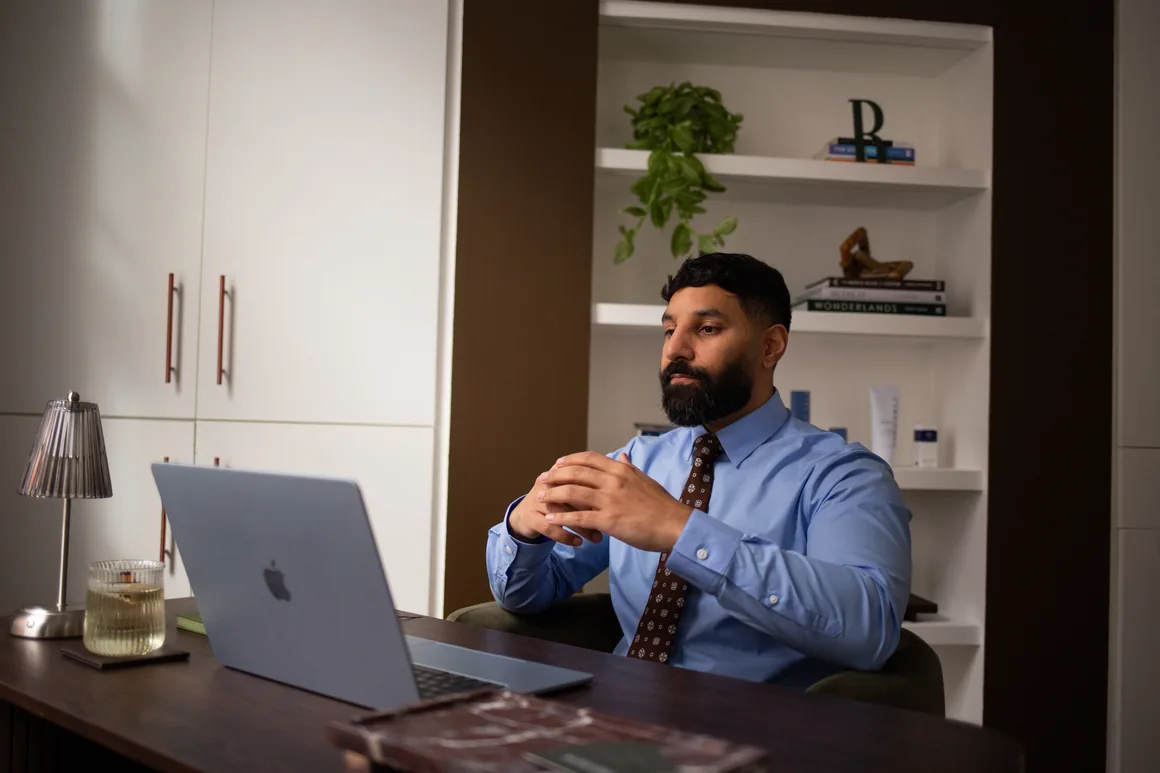
I do not give people a life plan or tell them who to be. I create the conditions for you to find your own direction, your own compass, your own truth. But I do it through a structured framework, not a free-flowing conversation. The structure is what makes the depth possible. You discover. I facilitate.
The framework's stages are fixed, but what happens within each stage flexes completely to the person in front of me. A woman navigating illness and identity collapse moves through the work differently from a man in career freefall. The architecture holds; the application is bespoke. That balance between rigour and personalisation is what makes it work.
Before we start
It begins with a discovery call. I assess whether you are genuinely ready: not the most articulate person, not the one with the most compelling story, but the one with a real hunger to change. I also assess whether transformational coaching is the right fit, or whether something else (including a referral to a therapist or clinical support) would serve you better. I am honest about that.
If we are the right fit, you receive a welcome pack, we agree a day and time for weekly sessions, and you commit to the daily practices that are part of the work from day one. The change does not happen in the sessions alone.
The 12 weeks: what happens in the sessions
01
You have to be willing to release your attachment to the current version of yourself: the patterns, the identity built around the problem, the familiar story of why you cannot change. We name all of it honestly. We introduce an anchor and tools for interrupting emotional urgency in real time. And we begin separating who you are from what has been happening to you.
02
Building the daily structure that makes everything else possible: morning and evening routines, physical foundations, and the critical distinction between feeling an emotion and acting from one. A dysregulated nervous system cannot hold new patterns, so we build the container before we put anything new inside it.
03
This is where the real work begins. Not the dismantling — that happened in the stages before. Now we build.
Through a carefully guided values process the client uncovers what they actually stand for at their deepest level — not what they think they should value, but what has always been true about them beneath the conditioning. From that clarity we construct a Meta Goal — not an outcome to achieve but an identity to inhabit. Who am I committed to being regardless of what is happening around me? New patterns replace old ones. New standards replace old habits. The client begins to experience — often for the first time — what it feels like to act from their own truth rather than react from their wounds.
04
The final stage is not about learning something new. It is about owning everything that has been built.
The client writes their Life Constitution — a personal document that captures their values, their standards, their Meta Goal, and the quality of being they are committed to living from. It becomes their compass. Not mine. Theirs. The final session belongs entirely to them. They lead the conversation. They articulate who they were when they arrived and who they are now. I witness. Then I step back — because a coaching relationship that has done its job makes itself unnecessary. The client leaves not dependent on the work continuing. They leave as someone who knows how to continue it themselves.
What to expect afterwards
Self-realisation first: a genuine understanding of what has been running you, what the patterns were, where they came from and what they were costing. Then self-actualisation: living from the new foundation. Making decisions from a different place. Responding to situations you used to react to. Noticing the old pattern arising and choosing differently.
And then, as a consequence, the things you originally thought you were coming for: the clarity, the direction, the confidence, better relationships, a career that actually fits who you are. They arrive naturally when the person producing them has changed.
Is this right for me? Safety and suitability
Transformational coaching is not suitable for someone in an acute mental health crisis, or with an unmanaged clinical condition that needs medical or psychiatric care. I am not a therapist or psychologist. If what you are facing is beyond the scope of coaching, I will say so clearly and refer you appropriately. I would rather lose a client to the right support than take their investment when what they need is clinical care. If you are in crisis now, please contact your GP, NHS 111 or Samaritans on 116 123.
The programme also requires genuine commitment: showing up weekly, doing the daily practices, and being honest about where you are and what is not working.
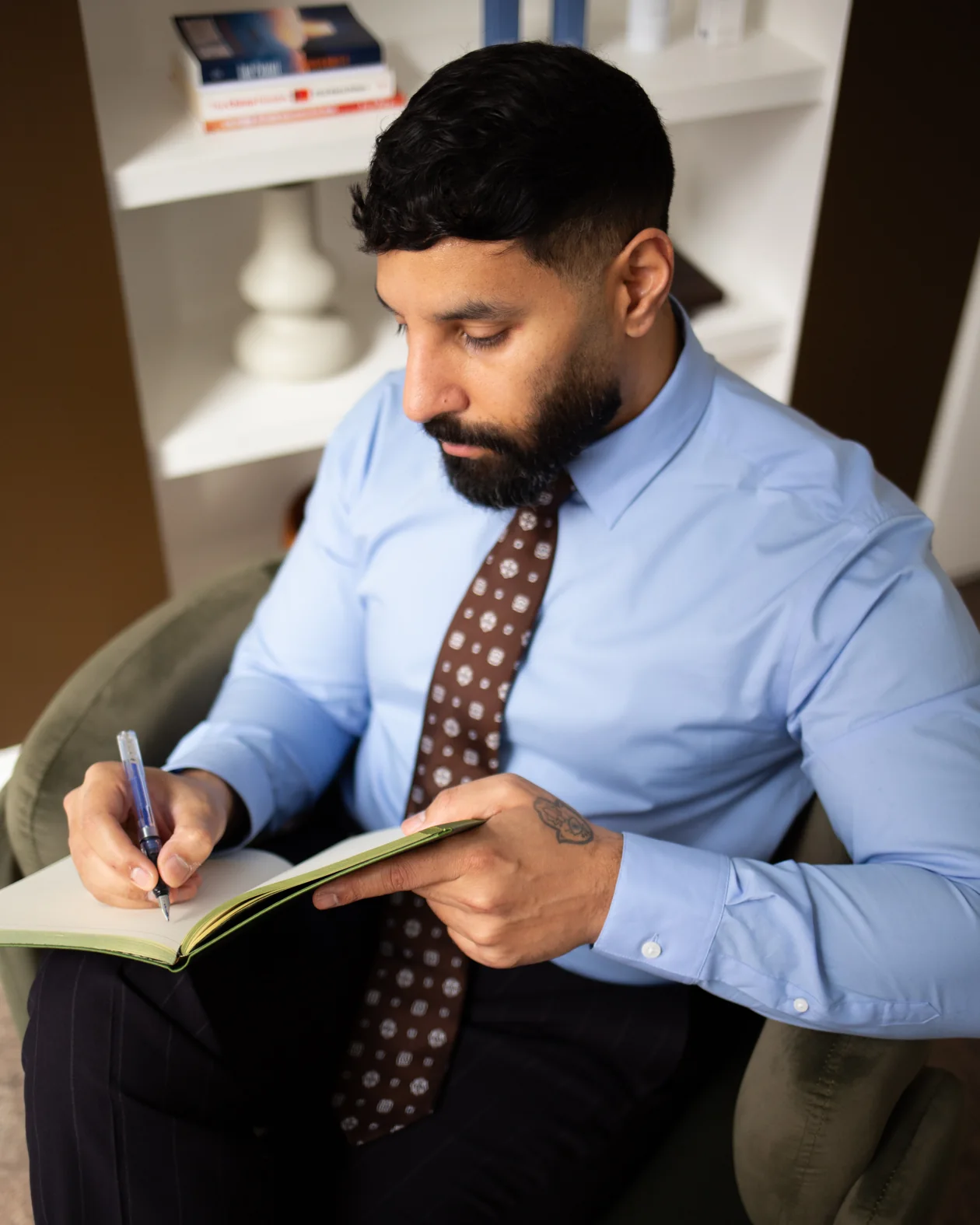
Why I do this work
I offer transformational coaching because everyone deserves help becoming who they are capable of being, if they are willing to do the work. Not just men. Everyone.
What I love is the moment of realisation: when someone sees themselves clearly, not with shame or judgement but honestly, for the first time. And then the moment of actualisation, when they start living from that clarity rather than just understanding it. That gap closing is why I do it.
